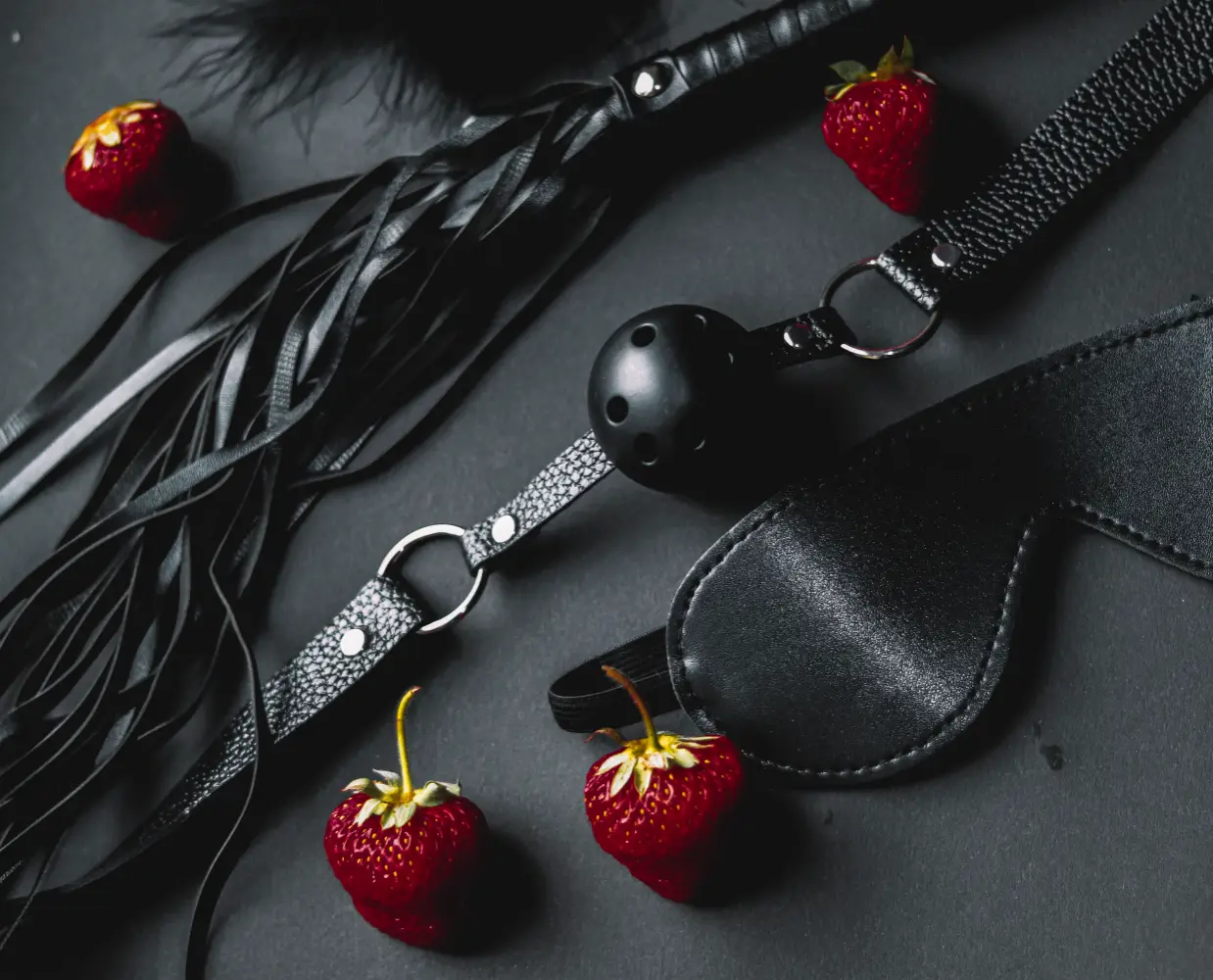
Pet Play Gear: A Beginner’s Guide to Choosing What You Actually Need
Pet play gear can help a role feel more vivid, comfortable, and intentional. It can also become distracting if you treat equipment as the thing that makes someone a "real" pet.
The most useful pet play gear is not always the most expensive, dramatic, or visually intense. For beginners, good gear is comfortable, easy to remove, simple to clean, compatible with the body, and clearly connected to the kind of experience the people involved actually want.
This guide explains common types of pet play gear, what each item is for, and how to think about fit, safety, hygiene, storage, and consent before buying or using anything.
Start With the Role, Not the Shopping List
Before buying gear, ask what kind of pet play you want to explore. Someone interested in playful puppy energy may need different items from someone who wants quiet kitten space, presentation-focused pony play, or a soft bunny persona.
Useful questions include:
- What animal persona or mood are you exploring?
- Is the goal playful, sensual, sexual, social, relaxing, or service-oriented?
- Will this happen privately, at an event, or in photos?
- Do you want gear for appearance, sensation, movement, communication, or
symbolic meaning?
- Do you need to protect knees, hands, neck, skin, breathing, hearing, or
vision?
If the basic meaning of pet play is still unclear, start with what pet play means before choosing equipment.
You Do Not Need Gear to Begin
Gear is optional. A pet role can begin with a name, posture, movement, sound, routine, or negotiated dynamic. A collar, hood, tail, leash, bowl, or cage can support a scene, but none of those items creates consent or identity by itself.
This matters for two reasons. First, beginners can explore without spending a lot of money. Second, people should not feel pressured into gear that looks impressive but feels uncomfortable, unsafe, or emotionally wrong.
The best first item is often small and reversible: a soft collar, ears, a tail, a toy, a mat, or knee protection. Choose something that helps you test the experience without locking you into a role you have not yet shaped.
Common Pet Play Gear
Different pets use different tools, and many people mix styles. The categories below are practical starting points rather than requirements.
Collars
Collars are among the most recognizable pet play items. They may be symbolic, decorative, practical, erotic, or part of a negotiated power exchange.
When choosing a collar, consider:
- width and pressure on the neck;
- soft edges and skin comfort;
- material and cleaning needs;
- hardware strength;
- whether a leash attachment is decorative or functional;
- quick-release options;
- whether it can be removed without help; and
- whether the person wearing it wants the emotional meaning attached to it.
A collar should never be used to pull sharply on the neck. If leash play is involved, discuss direction, pace, pressure, and stop signals before the scene begins.
Leashes and Leads
A leash can create a strong visual and emotional signal, but it also changes movement and control. It should be treated as negotiated gear, not as a casual accessory.
Safer leash use means:
- avoiding sudden pulls;
- avoiding pressure on the throat;
- using slow, clear movement;
- agreeing on whether the leash is symbolic or functional;
- keeping enough slack to prevent stumbling; and
- stopping immediately if balance, breathing, or panic becomes an issue.
For many beginners, a leash attached to a harness or held loosely as a symbol is more practical than anything that directs force through the neck.
Ears, Tails, and Visual Accessories
Ears, tails, bows, bells, tags, and other visual accessories can help someone enter a role without restricting the body much. They are often good beginner items because they create a visible shift with relatively low physical risk.
Still, comfort matters. Check clips, bands, adhesives, plugs, straps, and edges. Anything that pulls hair, irritates skin, causes numbness, or feels emotionally uncomfortable should be adjusted or removed.
Hoods and Masks
Hoods and masks can be immersive, but they deserve more caution than simple accessories. They may affect heat, breathing, vision, hearing, speech, facial comfort, or the ability to signal clearly.
Before using a hood or mask, discuss:
- how breathing feels while still and while moving;
- whether vision is reduced;
- how the pet will pause or stop if speech is muffled;
- how quickly the item can be removed;
- whether heat or sweating becomes uncomfortable; and
- whether the person wearing it feels calm or trapped.
Do not treat panic as a failure of commitment. If a hood or mask feels wrong, remove it.
Mitts, Paws, and Hand Gear
Mitts and paw-style gear can help change movement and body language. They can also limit grip, balance, and the ability to catch yourself if you fall.
Avoid using restrictive hand gear during activities where the person may need to support body weight, protect their face, or quickly remove other equipment. If crawling or floor play is involved, consider separate hand protection with enough grip and flexibility.
Knee and Joint Protection
Knee pads, mats, cushions, and soft flooring are often more useful than visually dramatic gear. Crawling, kneeling, pony movement, and floor play can create pressure on knees, wrists, ankles, hips, and the lower back.
Protective gear should fit securely without cutting circulation. If a person feels tingling, numbness, sharp pain, or joint instability, stop and change position. Pet play should not require ignoring pain to stay in character.
Harnesses
Harnesses may be decorative, symbolic, posture-supportive, or used for light guidance. The key issue is whether the harness spreads pressure safely and can be removed quickly.
Avoid placing strain across the throat, restricting breathing, pinching under the arms, or using a harness as if it were rated climbing or restraint equipment unless it was specifically designed and assessed for that purpose.
Bowls, Toys, Mats, and Spaces
Not all gear is worn. Some people enjoy bowls, pet beds, mats, blankets, grooming brushes, toys, bells, tags, or a prepared corner of a room. These items can make the role feel clear without putting much stress on the body.
Think about privacy, cleaning, storage, and emotional tone. A playful toy may feel perfect for one person and embarrassing for another. A quiet bed or mat may be more meaningful than visible gear.
Cages and Enclosed Spaces
Cages, crates, and enclosed spaces carry additional risks because they can affect movement, heat, breathing, communication, and the ability to leave.
If enclosed space is part of a negotiated scene, keep the duration short, use clear check-ins, avoid locking someone in without a reliable release plan, and make sure the person can communicate distress. Never use enclosure to punish, pressure, isolate, or override consent.
Materials and Skin Comfort
Material choice affects comfort, cleaning, and skin reaction. Leather, synthetic leather, silicone, metal, rubber, latex, fabric, faux fur, and plastic all feel different and need different care.
Watch for:
- itching, redness, rash, or burning;
- pressure marks that do not fade normally;
- allergies or sensitivities;
- trapped sweat;
- rough seams;
- metal edges;
- dye transfer; and
- materials that cannot be cleaned well.
The American Academy of Dermatology explains that contact dermatitis can be triggered by substances touching the skin, which is a useful reminder to test new gear slowly and stop if irritation appears.
Hygiene and Cleaning
Pet play gear may touch sweat, saliva, hair products, makeup, skin oils, floors, or intimate areas. Cleaning should match the material and how the item is used.
Basic habits include:
- wash hands before and after handling shared gear;
- avoid sharing items that touch mucous membranes unless they can be cleaned
appropriately;
- follow manufacturer cleaning instructions;
- air-dry items fully before storing them;
- keep porous or fabric items separate if they cannot be sanitized; and
- replace damaged gear that traps residue or has rough edges.
The CDC's overview of hygiene basics is not written for kink equipment, but its core point applies here: cleanliness habits help reduce avoidable health risks.
Fit and Sizing
Fit is more important than appearance. Gear that is too tight can affect circulation, breathing, movement, or skin comfort. Gear that is too loose can shift, trip someone, catch on furniture, or create unpredictable pressure.
Check fit before the scene begins and again after the person has moved, kneeled, crawled, sweated, or changed posture. A collar, harness, hood, mitt, or knee pad that feels fine while standing may feel very different during actual play.
Consent and Meaning
Gear can carry emotional weight. A collar may feel like commitment. A leash may feel like ownership. A hood may feel vulnerable. A bowl may feel comforting to one person and humiliating to another.
Do not assume meaning from the item. Ask what the gear represents and what it does not represent. The National Coalition for Sexual Freedom's consent resources are a helpful external starting point for thinking about negotiation and boundaries in kink settings.
Gear for Sexual and Nonsexual Pet Play
Pet play gear does not automatically make a scene sexual. A collar, tail, hood, or mat can be erotic, sensual, emotional, playful, or purely practical.
If the distinction matters in your situation, discuss it directly. The guide to sexual and nonsexual pet play explains why the same role or item can mean different things to different people.
A Simple Beginner Setup
A practical beginner setup might include:
- one comfortable role marker, such as ears, a collar, or a tail;
- a mat, blanket, or soft surface;
- knee or hand protection if floor movement is planned;
- a toy or object that supports the role;
- water nearby;
- a clear stop signal; and
- a storage bag or box to keep gear clean and private.
This is enough to learn what feels meaningful before investing in more specialized equipment.
What to Avoid at First
Beginners should be cautious with:
- tight collars;
- heavy leashes;
- restrictive hoods;
- enclosed cages or locked spaces;
- gear that blocks speech without a nonverbal signal;
- equipment that cannot be removed quickly;
- shared porous items that cannot be cleaned well;
- activities that put body weight on unprotected joints; and
- products chosen only because they look intense in photos.
The point is not to avoid all advanced gear forever. The point is to build skill, trust, and body awareness before adding complexity.
How to Store Pet Play Gear
Storage affects privacy and longevity. Clean and dry items before putting them away. Keep metal hardware from scratching softer materials. Avoid storing damp fabric, leather, faux fur, or padding in closed containers where odor and mildew can develop.
If privacy matters, use a discreet bag, box, or closet container. If multiple people use gear, label items clearly and separate anything personal.
Frequently Asked Questions
What is the first pet play gear item to buy?
Choose one simple item that supports the role without adding major risk. A soft collar, ears, tail, mat, toy, or knee protection is usually more useful than a large setup.
Is a collar required for pet play?
No. A collar can be meaningful, but it is not required. Pet play is based on consent, role, and experience, not equipment ownership.
Can pet play gear be used without sex?
Yes. Gear can support sexual, sensual, playful, social, emotional, or identity focused experiences. Its meaning depends on the people involved.
Is cheap pet play gear safe?
Price does not guarantee safety. Check fit, material, edges, hardware, cleaning instructions, and whether the item can be removed quickly.
Should beginners buy a complete kit?
Usually not. A kit may include items you do not need or are not ready to use. Start with one or two items and build from experience.
The Main Point
Pet play gear should support the experience, not define it. Start with the role, body comfort, consent, and cleaning needs. Choose simple items first, test them slowly, and remove anything that makes breathing, movement, skin comfort, communication, or emotional safety worse.
The best gear is not the item that looks most dramatic. It is the item that helps consenting adults create the experience they actually want.